Apr 26 , 2026
The Power and Prestige of the Onowu Chieftaincy Cap
In the rich tapestry of African heritage, few accessories carry as much authority, symbolism, and cultural depth as the Onowu African Traditional Cap. Rooted in the traditions of the Igbo people of Nigeria, this distinguished cap is far more than a fashion statement—it is a mark of leadership, honor, and ancestral legacy.


Understanding the Role of the Onowu
The title Onowu holds immense significance in Igbo society. Traditionally regarded as the prime minister or second-in-command to the king (Igwe), the Onowu is a custodian of customs, a voice of wisdom, and a pillar of governance within the community. Every element of the Onowu’s attire reflects this elevated status, and the chieftaincy cap is central to that identity.
The Design: A Symbol of Authority
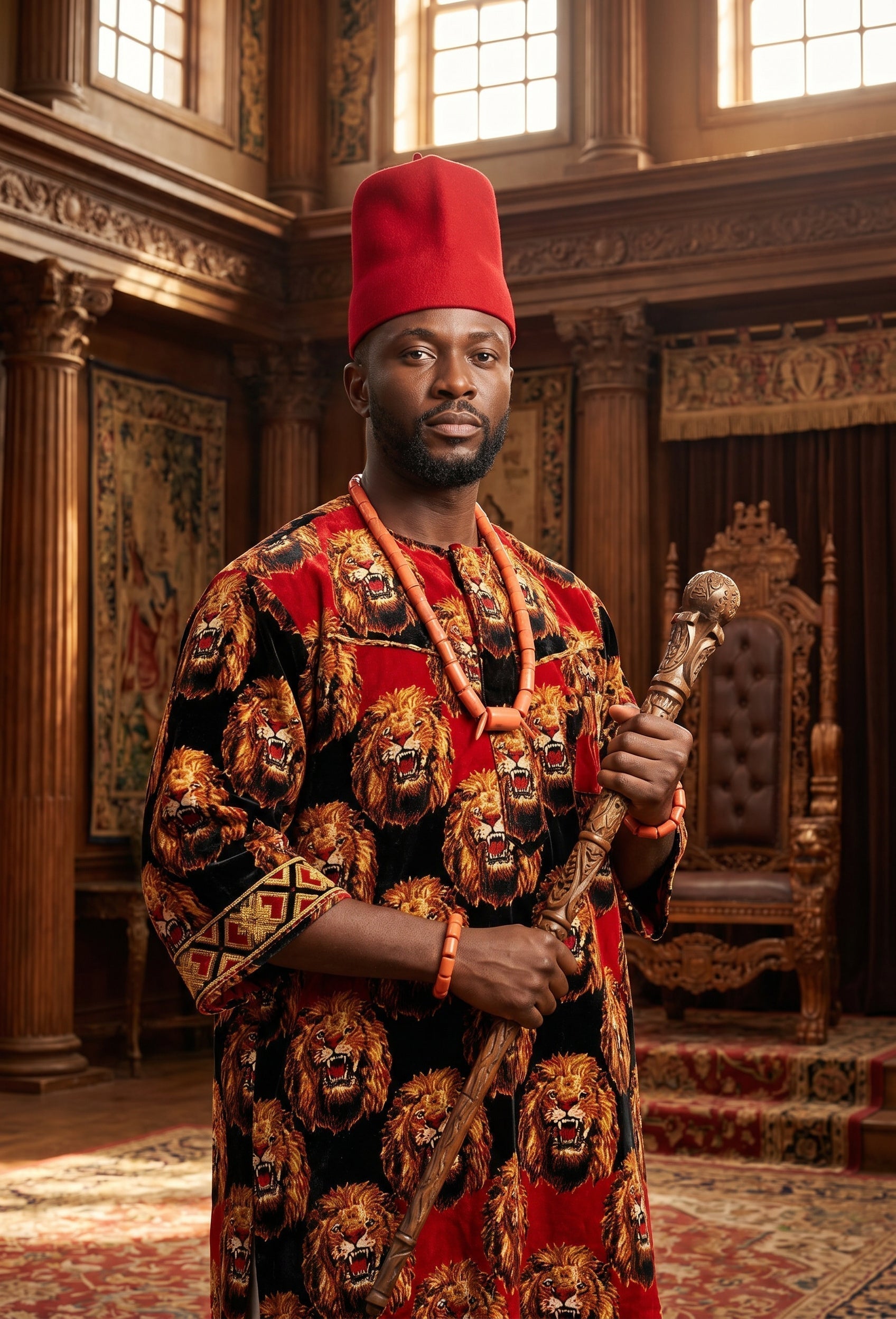
The Onowu cap is instantly recognizable. Typically crafted in a bold red hue, it represents power, vitality, and authority. This is not a casual color choice—red in Igbo culture is closely associated with chieftaincy and titled men.
Adorning the cap are often coral beads, carefully arranged to enhance both its aesthetic appeal and symbolic weight. Coral, historically linked with royalty and wealth, signifies prestige and spiritual protection. When worn together, the red cap and coral beads create a commanding presence that announces status without a single word spoken.
Cultural Significance Beyond Appearance
Wearing an Onowu cap is not merely about appearance—it is about identity and responsibility. It signifies:
- Leadership and governance
- Respect within the community
- Connection to ancestral traditions
- Eligibility to participate in high-level cultural rites and decision-making
In many Igbo communities, the red cap is sacred. It is reserved for titled men and cannot be worn casually or without proper recognition. This exclusivity reinforces its cultural importance and protects its meaning across generations.
A Modern Revival in Fashion
In recent years, African traditional attire has experienced a global resurgence. Designers and cultural enthusiasts are reintroducing iconic pieces like the Onowu cap into contemporary fashion spaces—while still preserving their cultural integrity.
From weddings to cultural festivals and high-profile events, the Onowu cap is now being styled alongside modern agbada, isi agu, and senator wear, bridging the gap between heritage and modern elegance. However, its use remains rooted in respect; understanding its meaning is essential before adopting it as part of one’s wardrobe.
Why the Onowu Cap Matters Today
In a rapidly globalizing world, cultural symbols like the Onowu chieftaincy cap serve as anchors of identity. They remind us of:
- The importance of tradition and lineage
- The value of earned respect and leadership
- The beauty of African craftsmanship and symbolism
For brands like PrestigeApplause Jewels, incorporating such heritage-inspired pieces into collections is not just about style—it is about storytelling, preservation, and celebrating African excellence.
Final Thoughts
The Onowu African Traditional Cap is more than an accessory—it is a crown of responsibility, a badge of honor, and a living symbol of Igbo heritage. Whether worn in traditional settings or admired as a cultural artifact, it continues to command respect and admiration across generations.
As African fashion continues to rise on the global stage, pieces like the Onowu cap remind us that true luxury is not just seen—it is deeply rooted in history, meaning, and identity.